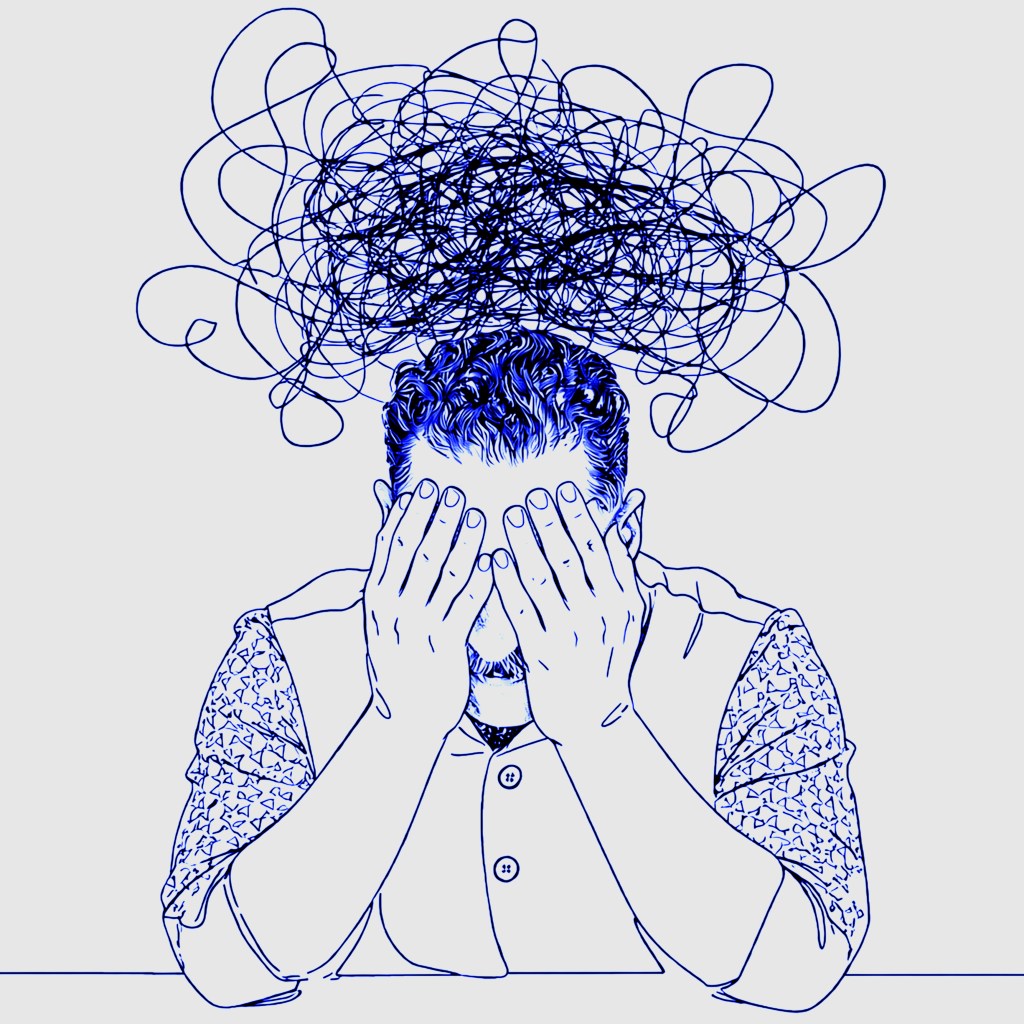
Ask a stranger what a graphic designer does, and they’ll mention logos, colors or “making things look pretty.” Ask a designer, and they’ll tell you about the physical knot in their stomach right before they hit ‘Share Screen.’
We’re taught to master the grid, the Bézier curve and the Adobe suite. But no one prepares you for the moment a client dismisses three days of deep work with, “I’m just not feeling it.” In that moment, design isn’t about aesthetics—it’s about emotional resilience. It’s the art of detaching your self-worth from your Artboard.
The Hidden Work Behind Creativity
Creative work carries an emotional dimension that isn’t obvious from the outside. Designers aren’t just moving shapes and colors around a screen—they’re presenting ideas they’ve invested time, thought and identity into.
In a typical project cycle, designers must navigate:
- Direct critique during high-stakes presentations.
- Multiple rounds of revisions that can reshape the original vision.
- Subjective feedback based on personal preferences rather than goals.
- Stakeholder pressure to defend design decisions against competing priorities.
- Real world events or changes in leadership shifting design needs.
None of these are inherently negative. Feedback and iteration are essential to good design. But they do require emotional discipline that often goes unspoken.
Why Design Critique Feels Personal
Part of the challenge is that design is subjective. Unlike fields with clear right or wrong answers, design decisions are influenced by taste, culture and interpretation. This means critiques often sound like opinions rather than measurable corrections.
To survive this, designers must become interpreters, translating vague reactions into visual solutions. This is the core of the emotional labor:
| What the Client Says | What the Designer Hears | The Emotional Labor (The Translation) |
| “I’m not sure I like it.” | “Your intuition is wrong.” | Swallowing the ego to ask: “What specific goal is this failing to meet?” |
| “Can we make it pop?” | “This is boring.” | Staying patient while digging for the actual need (usually more contrast or hierarchy). |
| “Could we try something different?” | “Start over.” | Reframing the “different” as a strategic pivot rather than a personal failure. |
The Five-Minute Reset
Even with the best translation skills, a rough session can leave you feeling drained. Before you dive back into the pixels, give yourself permission to step away. A ten-minute walk or a quick venting session with a trusted peer isn’t “unprofessional”—it’s a necessary reset. It allows the initial emotional sting to dissipate so you can return to the work as a strategist, not a wounded artist.
Reducing The Emotional Friction
While critique is unavoidable, experienced designers build systems to move the conversation away from “feelings” and toward “results.”
- Start with Discovery: Use early conversations to ask foundational questions about goals, audiences and expectations. This aligns the project before a single pixel is moved.
- Lead the Client: You can significantly reduce your emotional load by setting boundaries before the presentation starts. Instead of asking, “What do you think?”, try guiding the critique: “Today, I’m looking for feedback specifically on the navigation and hierarchy; we can dive into the color palette in the next round.”
- Ask for References and Inspiration: Seeing examples of work a client likes provides insight into their visual preferences. Reference pieces clarify the “vibe” before you spend hours designing it.
- Support Ideas with Research: Looking at competitors or successful industry examples helps ground your decisions in context. It’s harder to argue with a design that is backed by data.
- Present the Concept in Context: Demonstrate how the idea works in its natural habitat—whether that’s on a smartphone screen, a billboard or a social feed. This helps stakeholders understand the system behind the design, not just one layout.
Learning The Skill Of Detachment
Over time, experienced designers develop an essential professional skill: detachment. This doesn’t mean they stop caring about their work; it means they stop tying their identity to any single version of it. They begin to understand that feedback is information… not judgment. Revision is part of the creative process.
Protecting Your Creative Spark
Learning to detach isn’t just about being “tougher”—it’s about sustainability. Emotional labor is one of the leading drivers of creative burnout. By treating resilience as a professional tool, you aren’t just becoming a better designer; you’re protecting your ability to love what you do for the long haul.
Resilience isn’t just a soft skill; it’s a design tool—as essential to your craft as any grid or color palette.
How do you handle the emotional side of design feedback? Do you have a “translation” for vague client comments? I’d love to hear your strategies in the comments.
 PROCESSOVERPIXELS
Leave a comment