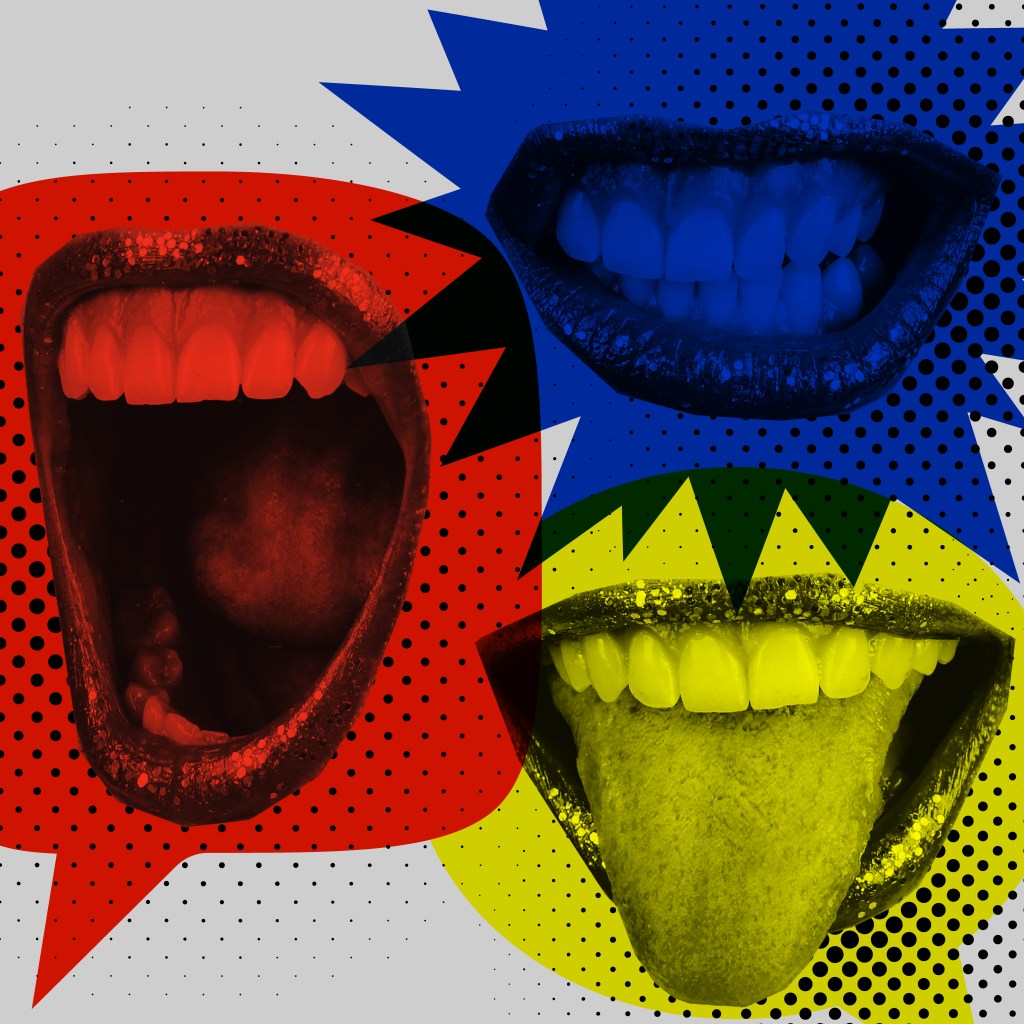
Most brands don’t have a design problem. They have a voice problem.
They look polished; a balanced logo, tight color palette and clean layout. But when they speak? It sounds like a terms-and-conditions page… boring.
Reading On Writing Well, the idea of writing with your voice made me rethink how to approach branding. Because readers don’t just see your words. They hear them.
If your brand sounds stiff, robotic, or overly safe, no amount of beautiful design will fix the experience.
Writing With Brand Voice = Designing for Humans
Zinsser argues that good writing sounds natural. It feels like someone is talking to you, not performing at you. That same principle applies to brand voice.
Think about brands you support. They don’t just look different. They sound different. Their tone is clear. Their rhythm is intentional. Their personality is obvious.
Most brands default to corporate neutrality. They try to sound “professional” and end up sounding forgettable.
The reality is, if your audience doesn’t listen to your brand for 30 seconds, they won’t read your content.

Cue the chairs turning. — The Voice on NBC
The Role of Clustering in Brand Voice
Clustering, brainstorming or mind-mapping, helps pull hidden associations and emotions together. It sparks unexpected connections into a web of ideas.
It helps uncover:
- Audience language
- Cultural references
- Tone possibilities
- Brand personality traits
Instead of starting with a mood board, you start with a mindset. This guides your visuals and allows you to outline your brand.
Why Outlining Is a Brand Strategy Tool
Outlining isn’t a writing habit. It’s a thinking habit.
Creating outlines reduces mental overload and improves clarity. It frees your brain to focus on communication instead of structure.
This applies directly to brand positioning. When you outline messaging before designing, you are defining:
- What your brand cares about
- How confident or casual it sounds
- The emotional tone of your communication
- The pacing of your messaging
- The difference between your brand and your competitors
You design the voice which influences your visuals.
Start With Sound, Then Design
We often begin branding with visuals because they’re tangible. But voice shapes experience.
A luxury brand whispers.
A challenger brand provokes.
A community brand reassures.
When voice is clear, design decisions become easier. Colors, typography and imagery reinforce something deeper.
The strongest brand experiences feel human because they sound human. They have cadence. They know when to pause. They know when to make a point.
So here’s a challenge:
If your brand spoke out loud today, would anyone want to listen? Or would they check their phone out of boredom?
References:
Zinsser, W. (2016). On Writing Well: The Classic Guide to Writing Nonfiction. Harperperennial.
King, D. (2025). Writing for (not by) the Ear. Writing-World.com.
Arnold, A. (2017, October 24). Writing for the Ear Instead of the Eye. Swenson Book Development.
 PROCESSOVERPIXELS
Leave a comment